

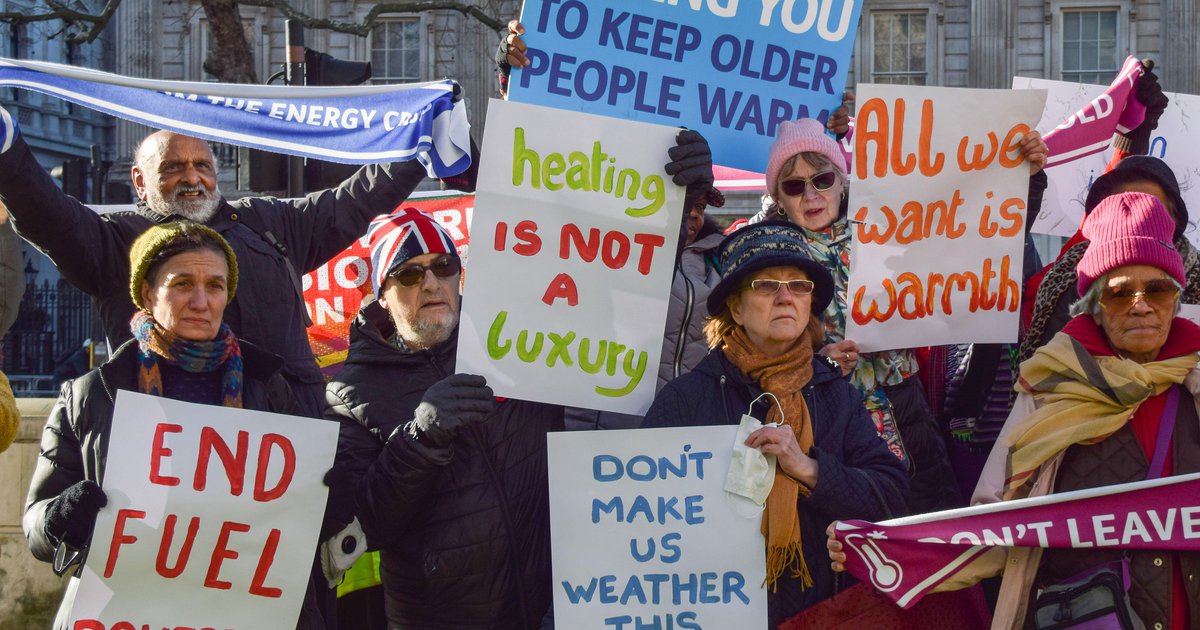
It’s no secret that the cost of living is skyrocketing in the UK. Prices are on the rise in every sector, and petrol rates have reached an average of 191.53p per litre. Diesel can be as much as £2 a litre. That’s about a 30% increase in two years.
It’s not just fuel prices rising. Inflation is also climbing steadily and dangerously high. So far for the year, inflation has gone up an astounding 9%, and it may reach more than 10% soon, according to some financial analysts. The Bank of England has attempted to control inflation by increasing the base interest rates, but that doesn’t seem to be slowing down the ballooning inflation problem.
These are just a few ways that the cost of living is going up for Brits, and as you might expect, as inflation and fuel prices increase, they push up the price of pretty much everything else. How did we get here, though?
What Caused the Cost-of-Living Crisis?
It’s easy enough to blame it all on the COVID pandemic, but that’s a good place to start. Pandemic fears caused massive job losses and shutdowns, resulting in a lot of companies going out of business and many workers being laid off. These kinds of issues cropped up around the world, and as the global economy seeks to recover, inflation rates are high across the world. Businesses of all sizes are trying to recoup some of their losses from the pandemic and keep from going out of business, which is manifesting as increased prices everywhere.
On top of all that, the Russian invasion of Ukraine has sapped resources from Britain’s economy, affecting the UK more than most developed countries.
There are also serious labour shortages in the country due to fears over returning to work and Brexit causing foreign nationals to leave. This has taken its toll on the cost of living as well.
Will It Get Better?
The outlook isn’t good for anyone hoping to see the upside of all this. While things may improve economically in the future, for now it seems that inflation, job shortages, and the cost of living are all going get worse before they get better. Taking a look at any of the financial markets, the signs are there that these markets are heading steadily downward, which bodes poorly for the near future. Speculative markets in particular are trending downward on a global scale, with no indication of an imminent reprieve. We may be stuck with this crisis for a while.
How Brits Are Handling the Crisis
Time and again, Britons have proved their resiliency- through world wars, through economic crisis, through natural disasters- and they will likely do so again through this cost-of-living crisis. Here is how some of the savviest are dealing with the current situation.
- Cutting Energy Costs
Energy costs are on the rise, and savvy Brits are finding ways to reduce their energy bills. One of the biggest ways they are paying less each month on energy is by unplugging devices that drain energy while they are still plugged in. This includes chargers, power banks, video game consoles, and smart TVs. People are also more conscious about what they leave on in their home when they aren’t using it, like lights, fans, personal computers, and even appliances. All of that energy conscious behaviour contributes to bringing down the power bill and helping Britons save money on their expenses.
- Finding Free Stuff
As prices soar, Brits are finding ways to get the things they need and enjoy without paying anything at all. A lot of companies offer free samples or free trials, and people are taking advantage of that, enjoying free offerings from L’Oréal, Colgate, Amazon Prime, Spotify, BritBox, and many more. Savvy people are hopping from one free trial to another, using multiple addresses or emails to score free stuff throughout the year.
- Managing Debt Slowly
A few years ago, many of us had big plans about paying off credit card debt and student debt in a short timeframe, but events since then have changed everyone’s plans. It’s still important to pay these debts off, though, as that can help to lower monthly costs, and smart Brits are finding ways to slowly pay off their accrued debt while still managing to pay their monthly cost-of-living expenses. This often means refinancing, re-mortgaging, and adjusting payment plans, but still with the intent of seeing the end of their debts at some point.
- Working on the Side
Does it seem like everyone has a side hustle these days? That’s because pretty much everyone does. When the 9-5 ends, then the side work starts, and sometimes people juggle their side job with their regular work. A lot of the additional work people are picking up is online, buying and selling, running a social media channel, doing freelance work, and seizing other opportunities as they present themselves. This additional income can help cushion the blow of rising costs and allow some people to pursue their passions out of necessity.
- Avoiding Credit Purchases
Buying now and paying later may have been fine before, when there was always the promise of steady income to handle it, but that’s not a safe way to live any longer. Smart Brits are trying their best to wait on purchases that they won’t be able to pay for in full, using credit cards as a last resort rather than the first option when they make a purchase. Many people are starting to see just how much debt can accrue quickly and unexpectedly by using credit cards with little regard for how soon they pay those purchases back, so they are avoiding them altogether.
- Building a Savings Account
An uncertain labour market means that any job could be forfeit at any time. It’s impossible to tell how the economy will shift and how it will affect different sectors from day to day, which means a lot of Brits are preparing for unemployment, even though their jobs seem secure. By steadily building up their savings, they are providing themselves with a cushion to fall back on if their current employment doesn’t last. They have seen enough of their friends and family members lose jobs without much warning, so they are steadily feeding their savings accounts to prepare for that to happen to them.
- Helping Others
It has been remarkable to see so many people step up and lend a helping hand to their friends and neighbours in these times of need. Those who have are giving to those who don’t, knowing that even if their good deed is not repaid, they are doing their part to keep people afloat, and that’s enough. We have seen a surge of volunteer and charity work over the past few years, and people’s mindset about helping out the less fortunate has really changed recently. Many people make it a matter of course to give to charities and to people they know need their help, and that lifts up everybody in these times and helps contribute to a stronger economy where fewer people fall through the cracks.
How are you handling the cost-of-living crisis? Has it affected you in lifechanging ways that causes you to do things differently from before? You might very well identify with several of these points, or perhaps you can get some help by looking at this list and doing what others are already doing to keep themselves afloat.